Some of the most believable worlds in fiction are the ones where we’re just experiencing a tiny corner of a bigger space. Where we come to intimately understand the piece of reality the characters inhabit while simultaneously sensing that entire systems, histories, and cultures exist just beyond the edges of the page.
Doing this well, however, is a bit of a magic trick. As an author, you both need to have a clear sense of what that larger world looks and feels like (not necessarily in a Tolkienesque “I literally spent years crafting a history for this place” way, thank goodness) and be adept at giving your audience exactly enough to understand where your characters come from and the forces they’re dealing with… and nothing more.
Which brings me to this month’s KidLit Adults Will Actually Like selection: How I Hacked the Moon by R.A. Dines.
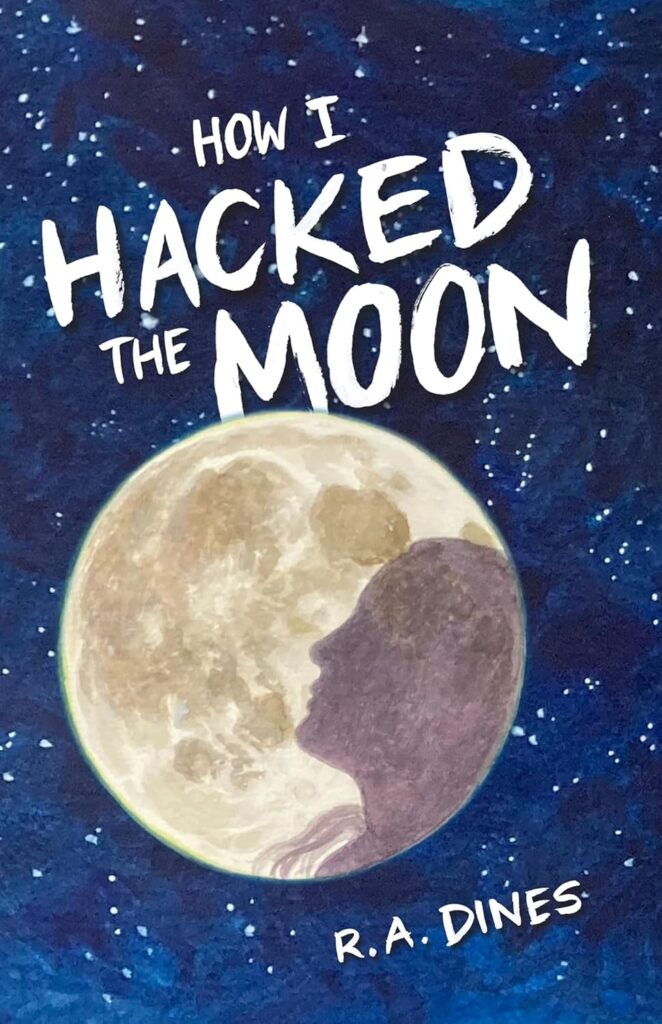
This is very much a science fiction novel. There’s a lunar colony, advanced technology, corporate oversight, and enough questions about power and control to keep the plot moving on every page. What surprised me most wasn’t the science fiction, though, but how thoroughly the story understands relationships.
Before I go any further:
Synopsis
Moon Girl (not her real name) lives on a sort of corporate moonbase that acts as both school and large-scale apprenticeship / indentured servitude for her and her classmates. Children are expected to study, work, and contribute to the continued operation of their lunar settlement until they graduate, at which point they will return to Earth with a sizable stipend and the necessary skills to obtain high-paying tech jobs. Her life follows a predictable routine, and like everyone else, she largely accepts the rules governing her world. Until she hacks into the system for a prank and finds herself pulled into a growing conflict involving hidden agendas, corporate control, and secrets buried beneath the carefully maintained surface of lunar life. Also, her crush is involved, and it’s really hard to say no to anything that means spending more time with him. But can she really trust him? And what is she willing to risk to uncover the truth?
Why Adults Will Actually Like It
A World That (Depressingly) Feels Like Tomorrow. One of the book’s greatest strengths is its worldbuilding. Rather than simply serving as a backdrop for the adventure, the corporate moonbase feels like a functioning place with routines, expectations, social structures, and limitations. The details are specific enough to make life there feel believable, while the larger world remains tantalizingly out of focus yet oh-so-understandable.
Kids Navigating Adult Systems. Like many of my favorite middle grade novels, How I Hacked the Moon is ultimately about kids trying to understand and find their place in systems built by adults. Initially, the lunar settlement feels like any number of boarding schools in stories, with kids pushing back against a highly structured, highly regulated environment because that’s what growing up is about. But as Moon Girl starts to see cracks in the story she’s been told, she must figure out which rules are serving someone’s agenda, and what responsibility she has once she knows the difference.
Friendship That Feels Raw and Honest. BFFs since forever, at first it feels like Moon Girl is a bit dependent on the more outgoing, dynamic, popular Jo. She worries about Jo’s moods and feeling alone if Jo starts to shun her. This dynamic flips when Moon Girl is suddenly pulled into the secret world of the group fighting back against their corporate keepers. But instead of allowing this to fall into the simple pattern of someone outgrowing their friend, Dines uses the conflict to show us how much both girls continue to mean to each other.
Crushes, Choices, and Complications. Yes, there is a romantic subplot. But it’s a relatively minor part of the story, and it’s handled with a refreshing amount of honesty. Moon Girl’s feelings influence her decisions, sometimes in ways she recognizes aren’t entirely wise. Because this story understands something many books forget: knowing you’re making a questionable choice doesn’t necessarily stop you from making it. That emotional realism adds texture to the story and helps the characters feel like actual teenagers rather than plot-delivery systems.
A lot of science fiction focuses on technology. And How I Hacked the Moon certainly has that. But what stayed with me afterward was the relationships. Friendships. Mentors. Crushes. The moments where people choose whether or not to trust each other despite incomplete information. Those human elements are what make the lunar setting feel meaningful rather than merely interesting.
Want middle grade sci-fi that combines believable worldbuilding, thoughtful character relationships, and a healthy suspicion of systems that insist they’re acting in your best interest? This one is well worth your time.
Buy How I Hacked the Moon here.
Have you read How I Hacked the Moon? What did you think? Who was your favorite character?